Penny by Penny: How Backpackers Are Quietly Rewriting the Rules of Global Tourism
Picture this: a solo traveler from Ohio checks into a hostel in Lisbon for $22 a night. She buys a pastel de nata from the bakery next door, grabs a cheap metro card, eats dinner at a family-run tasca that costs her eight euros, and spends the afternoon at a free museum. Individually, none of these transactions would register on anyone's economic radar. Multiply that by a few thousand travelers doing roughly the same thing every single day, and suddenly you've got something that economists, city planners, and local business owners are scrambling to understand.
Budget travel — the kind built around hostel beds, reusable water bottles, and Google Maps walking routes — doesn't look like big money. But the numbers tell a different story.
The Math Nobody's Talking About
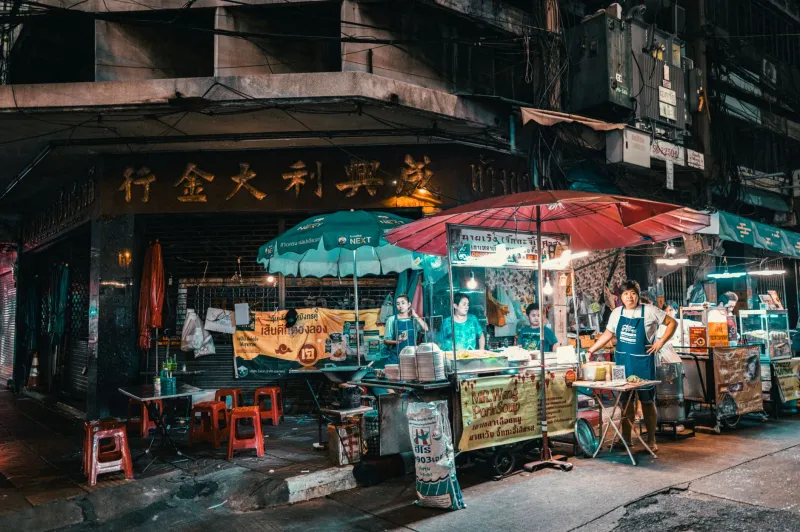
Here's the paradox at the center of backpacker culture: low individual spending creates enormous collective economic impact. A single luxury tourist dropping $500 a night at a boutique hotel pumps most of that money into a corporate structure that may be headquartered far from the destination itself. A backpacker spending $40 a day tends to distribute those dollars across a much wider web of local vendors, street stalls, independent hostels, and neighborhood restaurants.
That distribution matters. A lot.
Research from the World Tourism Organization has repeatedly shown that budget travelers generate stronger local economic multipliers than their high-spending counterparts. When a backpacker buys lunch from a street cart, that cart owner uses the profit to buy produce from a local farmer, who then pays a supplier, who hires a delivery driver — and on it goes. The money circulates within the community rather than leaking out through international hotel chains or multinational tour operators.
"The per-night spend looks small on paper," said one travel economist who studies tourism patterns in Southeast Asia. "But when you look at the full trip spend and where it actually lands, budget travelers are often more valuable to local economies than traditional tourism metrics suggest."
Who Actually Benefits?
In cities like Chiang Mai, Medellín, and Tbilisi — all longtime darlings of the backpacker circuit — the hostel economy has seeded entire micro-industries. Guesthouse owners hire local staff. Hostel kitchens source ingredients from nearby markets. Common room bulletin boards become informal job boards for local guides, language tutors, and day-trip operators who'd never get a look-in from the luxury travel crowd.
Local business owners in these destinations are often frank about what backpacker traffic means to them. A woman who runs a small cooking class operation in Hội An, Vietnam, described hostel guests as the backbone of her business. "They book directly, they come back the next day and bring their new friends, and they leave reviews that bring more people," she explained. "Big resort tourists go on package tours. My customers come from the hostel down the street."
That kind of direct, word-of-mouth commerce is something the backpacker community has always run on — and it's increasingly being recognized as a genuine economic engine rather than a scrappy afterthought.
The Uncomfortable Flip Side: Gentrification by Backpack
Of course, no economic force is purely benign, and budget travel is no exception. The same neighborhoods that backpackers discover and celebrate have a troubling tendency to become unrecognizable within a decade.
It usually follows a familiar arc: travelers find a cheap, authentic neighborhood. They post about it. More travelers arrive. Hostels open. Coffee shops catering to laptop workers follow. Rents rise. The original residents — the very people who made the neighborhood worth visiting — get priced out.
This has happened in parts of Bangkok's Khao San Road area, in certain corners of Kraków's old town, and most visibly in neighborhoods like Barcelona's El Raval, where what started as budget-traveler interest contributed to a slow-burn displacement of working-class locals. It's a process researchers sometimes call "backpacker gentrification," and it's one of the more uncomfortable conversations in the travel community right now.
"Budget travelers don't think of themselves as agents of gentrification," noted one urban geographer who studies tourism-driven displacement in European cities. "But the infrastructure that follows them — the hostels, the brunch spots, the Airbnbs — absolutely can be."
This doesn't mean backpackers are villains. It means the relationship between budget tourism and local communities is genuinely complicated, and pretending otherwise doesn't help anyone.
Cultural Preservation: The Surprising Upside
Here's where things get interesting, though — because the same dynamic that can accelerate gentrification can also, in the right conditions, pump the brakes on cultural erasure.
In destinations where traditional crafts, foods, or practices were fading due to lack of local economic interest, the arrival of culturally curious budget travelers has sometimes provided enough demand to keep them alive. Certain weaving traditions in Guatemala, fermentation practices in Georgia (the country, not the state), and folk music scenes in places like Porto and Sarajevo have found unexpected lifelines in backpacker interest.
When travelers specifically seek out authentic local experiences rather than sanitized tourist versions, they create a financial incentive for communities to preserve those traditions rather than abandon them for more generic, globally palatable alternatives.
The key, most analysts agree, is whether the money stays local. A cultural experience sold through an international booking platform funnels revenue away from the community. The same experience booked directly through a hostel recommendation keeps it circulating where it belongs.
What US Backpackers Specifically Bring to the Table
American travelers have a particular role in this story. The US remains one of the largest sources of outbound backpackers globally, and American spending habits — even budget-conscious ones — tend to skew slightly higher than European or Australian counterparts on certain categories like activities, gear, and international flights.
More significantly, American backpackers carry cultural weight. Destinations that gain traction with US travelers tend to see increased coverage in major media, which accelerates the discovery cycle. That's a double-edged sword: more visibility means more visitors, which means more economic activity but also faster pressure on the things that made the destination appealing in the first place.
There's also the matter of digital influence. US-based travel content creators, bloggers, and social media users have outsized reach, which means a single viral post from an American hostel guest can shift booking patterns for an entire destination within weeks.
Traveling With Your Eyes Open
None of this is an argument for staying home. It's an argument for traveling thoughtfully — which is something the hostel community has always been better at than it gets credit for.
Budget travelers, by necessity, engage with local economies in ways that package tourists simply don't. They eat where locals eat, use local transit, and often develop genuine relationships with the communities they pass through. That's not nothing. That's actually kind of everything.
The hostel economy isn't perfect. It has real costs alongside its real benefits. But understanding those dynamics — seeing yourself as part of a larger pattern rather than just an individual with a backpack — is the first step toward being the kind of traveler who leaves a place better than they found it.
And honestly? That's the whole point of getting out there in the first place.