The Secret Economy Running Beneath Every Hostel Common Room
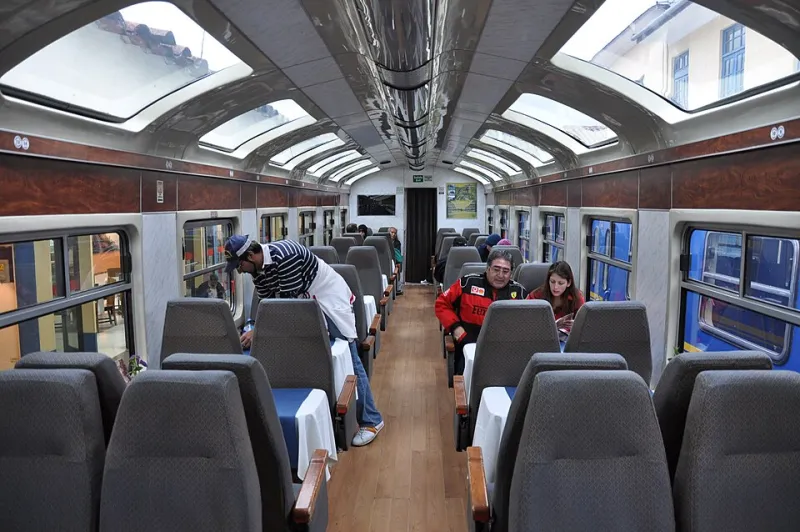
Photo: Jorge Láscar from Australia, CC BY 2.0, via Wikimedia Commons
You've probably walked past it without recognizing it. Someone teaching another traveler basic Portuguese in exchange for a home-cooked meal. A group of backpackers splitting a bulk rice purchase and dividing it into zip-lock bags. A guitarist trading a one-hour lesson for a night's accommodation credit at a hostel that's a little flexible about that kind of thing.
Hostels don't just host travelers. They incubate a parallel economy — informal, unwritten, and almost entirely invisible to anyone who doesn't know to look for it. And for budget travelers who tap into it, the savings (and sometimes the income) can be significant enough to extend a trip by weeks.
Why This Economy Exists at All
The math is simple. Put fifty people in close quarters, all trying to spend as little as possible, all carrying different skills, gear, and knowledge, and trade becomes inevitable. It's not organized. There's no app, no ledger, no official structure. It emerges naturally from the shared incentive to spend less and stay longer.
In mainstream tourism, this kind of exchange rarely happens because the environment doesn't create the conditions for it. Hotel guests don't meet. Resort travelers don't share kitchens. But hostel common rooms, shared dorms, and communal kitchens are basically engineered — accidentally or not — for the exact kind of spontaneous collaboration that makes this underground economy possible.
Skill Trading: The Original Backpacker Currency
Every traveler arrives with something they know how to do. And in a hostel, that skill has real value.
Language is the most obvious one. A traveler fluent in the local language becomes incredibly useful to a group trying to negotiate a cheaper group tour rate, navigate a local market without tourist pricing, or figure out the bus system. That fluency gets traded — for meals, for shared accommodation costs, for introductions to locals who know the cheap spots.
But it goes beyond language. Photographers help other travelers get better shots in exchange for gear storage space or a cooked meal. Someone who knows how to repair gear — a torn backpack strap, a broken tent zipper — suddenly has social capital that translates to real savings for others. Yoga teachers, massage therapists, musicians, coders helping people fix their travel blogs — all of it circulates in hostel common rooms as informal currency.
The key is making your skill visible. You don't need to advertise it aggressively. Mention it casually in conversation. Offer to help once. Word spreads fast in a 12-bed dorm.
The Bulk Buy and the Group Grocery Run
One of the most underrated money-saving moves in hostel culture is the group grocery run. It sounds mundane. It absolutely is not.
When four or five travelers pool their food budgets and shop together, they unlock bulk pricing, reduce food waste, and often eat significantly better than they would individually. Someone who knows the local market takes the lead. Everyone pitches in. A communal dinner gets made. Per-person costs drop dramatically compared to eating out — even at cheap local spots.
This scales up. Bulk cooking oil, rice, pasta, local produce — split five ways, these become almost negligible costs. Some long-term hostel residents have reduced their daily food spend to almost nothing by becoming regulars in this kind of informal cooking collective.
If you want in, the move is simple: show up in the kitchen and start cooking something that smells good. Offer to share. You'll have a group grocery partner by tomorrow.
Tour Negotiation: The Group Rate Game
Tour operators near popular backpacker destinations know that hostels are where their customers sleep. Many of them — particularly smaller, locally owned operations — will negotiate group rates for hostel-organized bookings, especially if someone does the legwork of gathering a group.
This is where a little hustle pays off. If you want to do a specific tour or excursion, don't book it alone. Post in the hostel's common area or mention it at breakfast. Gather five or six people. Then approach the tour operator not as an individual tourist but as a group coordinator. The discount you can negotiate — sometimes 20 to 40 percent off the listed price — is real, and it takes about twenty minutes of effort.
Some seasoned backpackers have turned this into a minor side hustle: organizing group bookings, taking a small coordination fee or a free spot on the tour, and funding part of their travel through the organizing work rather than the activity itself.
The Gear Exchange: What Gets Left Behind
Every hostel has some version of the free shelf — a corner, a box, a communal area where travelers leave things they don't want to carry anymore. Travel-sized toiletries, paperback books, a spare rain cover, a power adapter, a mostly-full bottle of sunscreen.
This is not garbage. This is inventory.
Savvy hostel travelers check these spots regularly and contribute to them intentionally. Before buying something you might only need for one leg of your trip, check what's been left behind. Before you leave a hostel, leave behind whatever you won't need at your next stop. The cycle benefits everyone and can save you real money on gear you'd otherwise buy once and discard.
Beyond the free shelf, direct trades happen constantly. Someone heading into cold weather needs your extra fleece more than you do now that you're going south. Someone else has a hammock they're done with and wants your portable water filter. These trades happen in common rooms, at breakfast tables, and in WhatsApp groups that form organically among travelers moving the same direction.
How to Actually Plug Into This Network
The biggest barrier to accessing the hostel underground economy is simply not knowing it's there. The second biggest is being too transactional about it — showing up looking to extract value without contributing any.
The way in is through genuine participation in the community. Cook a meal and share it. Offer your skill without being asked. Join the group grocery run even if it means going slightly out of your way. Ask questions and actually listen to the answers. The economy runs on trust and reciprocity, and it opens up surprisingly fast once you're recognized as someone who contributes rather than just consumes.
For US travelers especially, this can feel unfamiliar — American consumer culture doesn't train us to think in terms of informal exchange. But the learning curve is short, and the payoff — in money saved, connections made, and experiences unlocked — is one of the best returns on investment in budget travel.