How Sleeping in Bunk Beds Turned Me Into a Better Saver Back Home
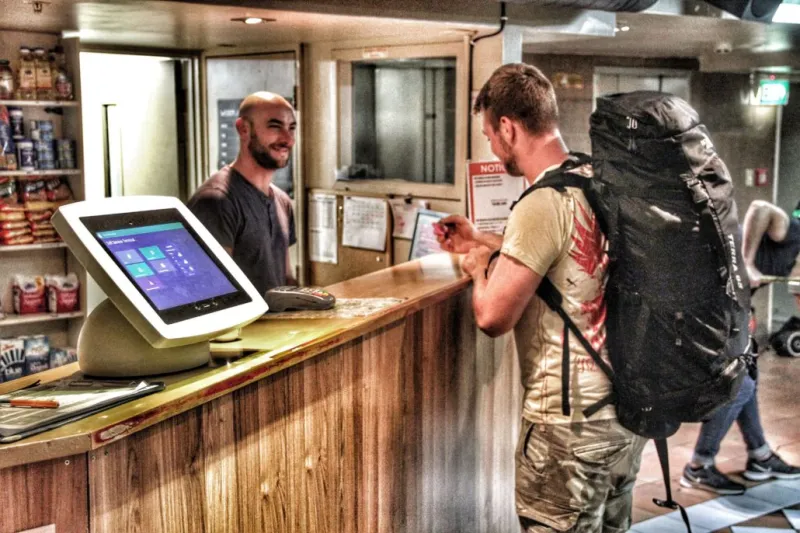
Photo: backpacker counting money hostel kitchen budget travel, via hostel.nz
Spend a month living out of a 40-liter backpack, cooking communal pasta in a hostel kitchen, and negotiating bus fares in broken Spanish, and something shifts. Not just in the way you travel — but in the way you think about money, maybe for the rest of your life.
This isn't a feel-good coincidence. Budget travelers are coming home from extended hostel trips and consistently finding themselves saving more, spending smarter, and questioning purchases they once made without blinking. The hostel lifestyle, it turns out, is one of the most effective — and least talked about — financial education programs on the planet.
The $30-a-Day Brain Rewire
When you're running on a tight daily budget across multiple countries, every dollar becomes a decision. A $4 street meal versus a $14 sit-down restaurant. A $12 dorm bed versus a $60 private room. A free hostel walking tour versus a $45 tourist trap bus ride. You make these micro-decisions dozens of times a day, and after a few weeks, something clicks.
You stop making purchases on autopilot.
Travelers who've done extended hostel trips frequently describe the same phenomenon: a kind of mental recalibration where they start assigning real-world value to everything they spend money on. Back home in the US, that recalibration doesn't just disappear. A $6 coffee starts to look like half a night's accommodation in Vietnam. A $200 impulse clothing purchase becomes "that's two weeks of food in Portugal."
The comparison framework you built on the road follows you home — and it's ruthless.
Real Habits Formed in Real Dorm Rooms
Hostel living creates financial habits almost by accident. You're not in a class, nobody's handing you a budgeting worksheet. But the environment demands certain behaviors that quietly become second nature.
Tracking spending daily. Most serious backpackers keep a running tally — either in a notebook or an app — of what they've spent each day. It's not optional when you're trying to stretch a fixed amount of cash across an unpredictable number of weeks. That habit? It comes home.
Cooking instead of eating out. Hostel kitchens exist for a reason. Budget travelers learn to shop local markets, cook simple meals, and eat well for next to nothing. Back in the US, those same travelers often find themselves cooking more and paying less for food than they did before they left.
Distinguishing wants from needs. When your entire life fits in a backpack, you get very clear on what you actually need. The mental clutter of unnecessary consumption starts to feel genuinely uncomfortable. Post-trip, many backpackers describe a lasting aversion to impulse buying that they never had before.
Negotiating and researching before buying. Whether it's haggling at a market or spending 45 minutes comparing bus routes, hostel travelers become obsessive comparison shoppers. That same energy translates directly to finding better deals on rent, insurance, groceries, and subscriptions once they're back stateside.
The Psychology Behind the Shift
There's more going on here than just habit formation. Psychologists who study financial behavior point to something called "experiential anchoring" — the way intense, memorable experiences create lasting reference points for future decision-making.
When you've successfully navigated a month in a foreign country on almost nothing, you have proof that you can live well on very little. That proof is powerful. It dismantles the anxiety that most Americans carry around money — the sense that you need to earn more to feel secure — and replaces it with something more grounded: the knowledge that you can stretch what you have.
Hostel travelers also benefit from peer influence in a way that runs counter to typical American consumer culture. In a dorm room, the person who found the free beach, cooked a group dinner, and scored a last-minute discount bus ticket is the hero. Status isn't built on spending — it's built on not spending, and spending smarter. That social reinforcement leaves a mark.
What Travelers Actually Say
Talk to anyone who's done a serious hostel trip — three months through Central America, six weeks in Southeast Asia, a summer bouncing through European cities — and the financial aftereffect comes up almost every time.
The story tends to go like this: they came home, looked at their bank account, and realized they'd somehow spent less during their trip than they typically spend in a regular month at home. Then they looked at what they were spending money on at home and felt genuinely confused by their own choices. Gym memberships they never used. Subscriptions they'd forgotten about. Takeout orders for meals they could have cooked in twenty minutes.
The trip didn't just save them money while they were traveling. It changed how they spent money for months — sometimes years — afterward.
How to Lock In the Lessons Before You Land
If you want to bring the financial discipline of hostel life back home with you, a little intentionality goes a long way. A few things that help:
- Keep the daily tracking habit. Don't drop the spending log just because you're back on home turf. The awareness it creates is the whole point.
- Recreate the comparison framework. Before any significant purchase, ask yourself what that money would buy you on the road. It sounds simple. It works.
- Hold onto the cooking habit. The hostel kitchen trained you. Your kitchen at home is objectively better. Use it.
- Stay connected to the community. Budget travel forums, hostel social groups, and platforms like this one keep you plugged into a mindset that runs counter to the spend-more-feel-better default of mainstream American consumer culture.
The bunk bed didn't just save you money while you were sleeping in it. It might be the best financial education you've ever gotten — and you didn't even have to pay tuition.