Dorm Beds and Good Vibes: The Surprising Reason Budget Travelers Are Mentally Thriving
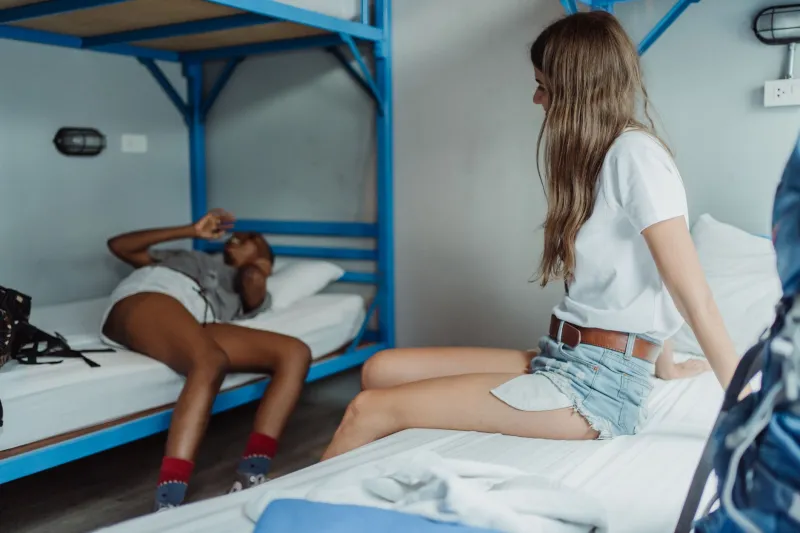
Picture two travelers landing in Lisbon on the same Tuesday afternoon. One checks into a four-star hotel off the Avenida da Liberdade — private room, blackout curtains, room service on speed dial. The other hauls a 40-liter pack through the Alfama district and claims a top bunk in a six-bed dorm. By Thursday, who do you think is feeling better?
If you guessed the hotel guest, you might want to rethink that.
A growing body of research — plus a whole lot of anecdotal evidence from road-worn backpackers — suggests that hostel travelers consistently report lower stress levels, sharper mood, and a more grounded sense of who they are and why they're traveling. It's being called the "hostel effect," and it's got travel psychologists genuinely curious.
The Loneliness Tax Nobody Talks About
Here's the thing about a beautiful private hotel room: it's still just a room. And when you're solo traveling, a room with no one in it can feel less like luxury and more like isolation.
Dr. Renata Souza, a travel and behavioral psychologist based in Miami who works with long-term digital nomads, puts it plainly. "Humans are wired for social contact. When we're deprived of it — even in physically comfortable environments — our stress hormones don't exactly cooperate. Loneliness activates the same neural pathways as physical pain."
Hotel design, she notes, is often optimized for privacy and separation. Long corridors, soundproofed doors, in-room dining — all of it quietly discourages spontaneous human interaction. "Comfort and connection aren't the same thing," she says. "And travelers often confuse the two until they're sitting alone in a gorgeous room wondering why they feel so flat."
Hostels, almost by accident, solve this problem. The common room, the shared kitchen, the bunk bed that forces you to introduce yourself to a stranger from Ohio or Osaka — these aren't inconveniences. According to Souza, they're mental health infrastructure.
Intentionality Changes Everything
There's another layer to this that goes beyond just having people around. Budget travel, almost by necessity, makes you think harder about what you actually want.
When every dollar counts, you stop defaulting. You research neighborhoods instead of just booking whatever's closest to the airport. You find the taco spot that locals actually eat at instead of the one with English menus out front. You make choices — real, deliberate ones — and that sense of agency has a measurable effect on how people feel about their lives.
Marco Reyes, a 29-year-old from Austin who spent fourteen months backpacking through Southeast Asia and Central America on a tight budget, describes it this way: "In a hotel, everything is done for you. Which sounds amazing until you realize you've gone three days without making a single meaningful decision. At a hostel, you're always figuring something out. Where to eat, who to explore with, which neighborhood to wander into. It keeps your brain engaged."
Psychologists have a term for this: autonomy satisfaction. It's the feeling of being the author of your own experience. And research consistently links it to higher levels of wellbeing and lower rates of anxiety and depression.
What Hostel Owners Are Actually Seeing
People who run hostels have been watching this play out in real time for years, even if they didn't have clinical language for it.
Jamie Okafor has managed a hostel in Medellín, Colombia for the past seven years. She's seen solo travelers arrive looking hollowed out — exhausted from work, disconnected from themselves — and leave a week later looking like different people. "It happens all the time," she says. "Someone checks in, they're quiet, a little closed off. By night two they're cooking dinner with five people they just met and laughing until midnight. The transformation is real."
Okafor believes the shared kitchen is the most underrated space in any hostel. "Food is how people connect. When you're cooking next to someone, the conversation just happens. You're not trying. You're just... together."
She also points out something that doesn't get discussed enough: in a hostel, it's socially acceptable — even expected — to talk to strangers. That removes an enormous amount of social friction. "In a hotel lobby, striking up a conversation with someone feels weird. In a hostel common room, not talking to people is the weird thing."
The Comparison Trap and How Bunk Beds Break It
One underappreciated mental health benefit of hostel travel is what it does to your relationship with status and comparison.
In everyday American life, we're constantly benchmarked against each other — house size, job title, car, neighborhood. Hotels, ironically, can amplify this. Room categories, upgrade options, loyalty tiers — they quietly reinforce the idea that your worth is tied to what tier you can afford.
A hostel dorm is a great equalizer. The investment banker from New York and the schoolteacher from Portland are sleeping in the same room, sharing the same bathroom, eating breakfast at the same communal table. Nobody cares what you do back home. The only currency that matters is whether you're good company.
"That leveling effect is genuinely therapeutic for a lot of people," says Souza. "It gives travelers permission to just be a person for a while, without the pressure of performing a particular identity."
It's Not Magic — It's Design
None of this is accidental, and it doesn't happen in every hostel equally. The best ones — the ones travelers rave about long after they've left — are intentionally designed to foster connection. Communal dinners, walking tours, rooftop hangouts, bulletin boards full of "anyone want to..." notes. These aren't just amenities. They're community architecture.
And increasingly, hostel operators are leaning into this deliberately. Some are partnering with local mental health advocates. Others are hosting mindfulness mornings or journaling workshops alongside their pub crawls. The budget accommodation world is quietly becoming one of the more holistic corners of the travel industry.
So What Does This Mean for Your Next Trip?
If you've been on the fence about trying a hostel — maybe you're worried about the sleep quality, the noise, the lack of privacy — it's worth weighing those concerns against what the research and the road veterans are saying.
You might sleep in a slightly squeaky bunk. You might share a bathroom with seven other people. But you'll probably also have a conversation that changes how you see something. You'll likely eat a meal you didn't plan with people you didn't expect to meet. You'll make small decisions all day long that remind you that you are, in fact, the one steering this trip.
And according to a growing chorus of psychologists, backpackers, and hostel owners, that combination — community, intentionality, and freedom from status — might be doing more for your mental health than any luxury upgrade ever could.
Sleep cheap. Explore more. Turns out, connecting always was never just a tagline.